AI Agents Gave Me a Team. They Didn’t Fix the Bus Factor.
AI agents can make a solo founder look like a ten-person team, but they do not fix the bus factor. Agents can draft, schedule, support, and ship code. They cannot inherit logins, open the registrar, or explain which AWS account is production. A short founder handoff runbook, plus a way for that package to leave your devices if you stop checking in, is what continuity actually requires.
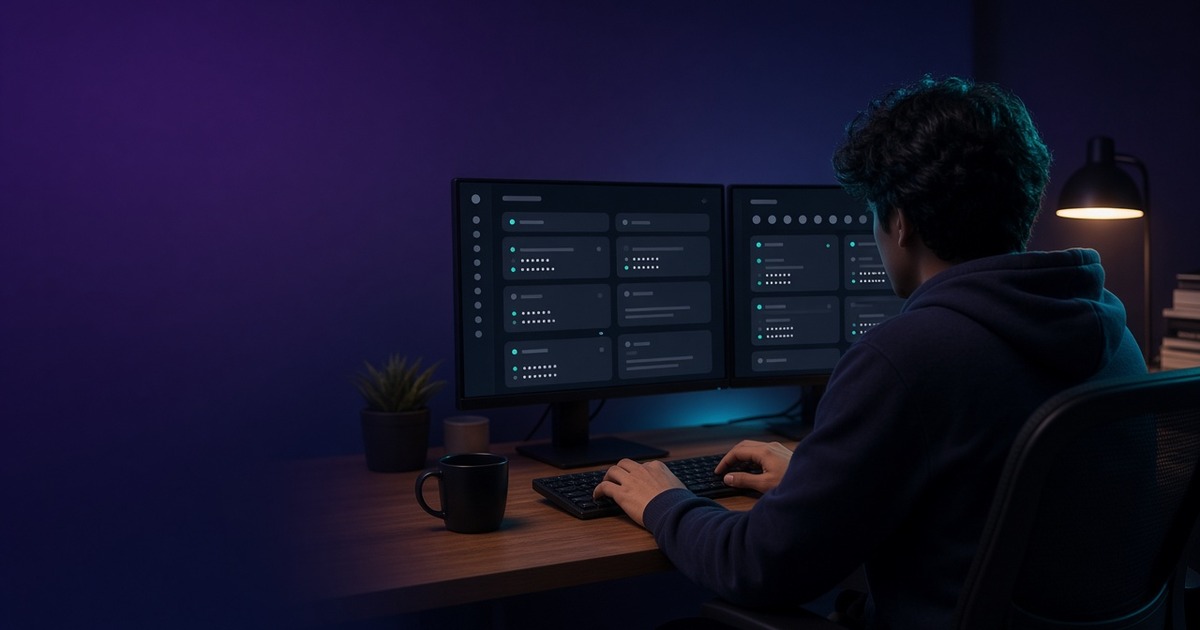
I run KinSwitch with what looks like a ten-person team.
There is a research and content seat. A social scheduler. A growth person hunting conversations. Customer support that follows up when trials stall. A video person cutting product clips. Claude agents shipping features while I sleep.
Headcount is still one. Me.
That is not a flex. It is the new normal for a lot of builders. AI agents made a solo founder look like a small company overnight. Output went up. Continuity did not.

What does the "team" actually do?
On my side, Grok Bots own the loops I used to drop.
Research and Content locks captions, blog drafts, and house-voice claims. Social Scheduler keeps the next three days parked across X, Instagram, YouTube, TikTok, and LinkedIn, including weekends, and amps a Tuesday blog after it goes live. Social Growth runs twice-daily engagement on brand X, Instagram, and YouTube, plus Reddit from a separate profile when it is in lane. Support follows up on trials and payment issues I would otherwise forget. Video builds the 9:16 masters from a locked script.
Claude agents handle feature work. Specs, patches, the kind of product grind that used to wait until I had a free weekend.
I still decide what ships. I still review the videos. I still write the posts that need my name on them. The agents take the repeating work. They do not own the company.
What part is still just me?
Stripe. GitHub. AWS. Domain registrar. Email. Bank. Apple and Google account recovery. The password vault. The deploy keys.
Agents can draft a caption. They cannot inherit a login. They cannot open the registrar if I disappear. They cannot tell a spouse which AWS account is production and which one is a sandbox from 2023.
So the leverage looks like a ten-person org. The access map still looks like a solo founder with everything in one head and one set of credentials.
Why is this getting common?
A few years ago, "solo founder with a real team" meant you were an outlier. Now it is a setup a lot of people can copy.
You can hire agents for content, support, scheduling, and code. You can ship faster than a five-person startup from 2019. You can look staffed on paper while the legal entity, the billable cards, and the recovery emails still point at one person.
That means the bus-factor problem got more common, not less. More companies are running hot on agent leverage. More of them still have a single owner for every critical login.
This is not niche founder lore anymore. It is the default risk for people who built their company in the agent era.
What does a sane handoff look like?
You do not need a corporate succession plan. You need a short, boring list:
- Who gets which accounts, and how.
- Where the docs and notes live so they can actually arrive.
- What is notify-only versus what must deliver files.
- A way for that package to leave your devices if you stop checking in.
Copy this Founder Handoff Runbook and fill it in: https://killswitch.app/s/7eU8OSwjXy6g
It is a public KinSwitch notebook template: people map, critical logins inventory (pointers, not raw passwords), agent roster, and what should fire if you stop checking in.
KinSwitch is the tool I built for that last part. Encrypted, stored and in motion. Switches, beneficiaries, and the vault you already live in.
If you are running an agent team with one human at the center, start your free trial and put the handoff somewhere it can fire without you babysitting it.
https://kinswitch.app/register
FAQ
Do AI agents fix a solo founder's bus factor?
No. They raise output, but critical logins, recovery emails, and billable cards still usually point at one person. Agents cannot inherit access.
What accounts still sit with the founder?
In this post: Stripe, GitHub, AWS, domain registrar, email, bank, Apple and Google account recovery, the password vault, and deploy keys.
What belongs in a founder handoff runbook?
Who gets which accounts and how, where docs live, what is notify-only versus file delivery, and a way for the package to leave your devices if you stop checking in.
What is in the KinSwitch Founder Handoff Runbook template?
A public notebook template with a people map, critical logins inventory (pointers, not raw passwords), agent roster, and what should fire if you stop checking in: https://killswitch.app/s/7eU8OSwjXy6g
How does KinSwitch protect the handoff package?
Encrypted, with switches and beneficiaries so the package can deliver if you stop checking in.