Physical vs Digital Estate Planning: Why NokBox Falls Short
Physical lockboxes like NokBox give a tangible sense of security, but they create a single point of failure, store documents without encryption, and cannot deliver anything automatically if you stop checking in. An encrypted deadman switch updates from any device and can deliver files to the beneficiaries you choose when you miss check-ins. For digital estate planning, that gap is the real difference.
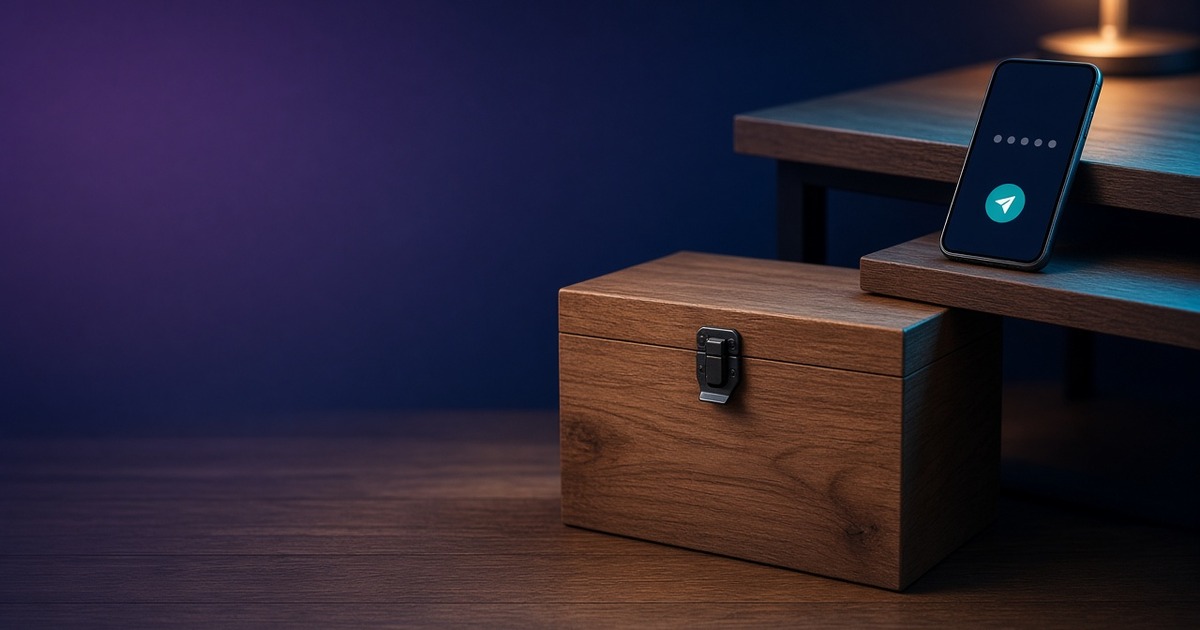
Physical lockboxes and encrypted deadman switches solve different problems. One stores paper where someone must find a key. The other encrypts files and can deliver them on a schedule you set.
How does the NokBox approach work?
NokBox and similar physical solutions store passwords and important documents in a fireproof safe if you are lucky, but often it is just a plastic or fabric file cabinet that anyone with access can open. That creates several concrete problems:
- Single point of failure: If the box is stolen, damaged, or inaccessible, everything is lost.
- No encryption: Documents inside are just paper. Anyone who opens the box sees everything.
- No automated delivery: Beneficiaries must know where the box is and have the key.
- Outdated instantly: Every password change requires manually updating physical documents.
How does KinSwitch differ?
KinSwitch is built on encryption and automation instead of a physical box.
How is data protected?
Your files and their metadata are encrypted. A database breach alone exposes ciphertext, and documents are only delivered to the beneficiaries you explicitly choose.
What happens if you miss check-ins?
If you miss your check-ins, KinSwitch automatically delivers your encrypted files to your beneficiaries. There is no physical key to lose and no safe to open.
Can you keep documents current?
You can update documents anytime from any device. No printer is required.
Where is the data stored?
Encrypted data is stored across multiple secure data centers, so there is no single physical box as the failure point.
Should you still rely on a physical lockbox alone?
Physical solutions like NokBox were designed for a pre-digital world. In 2026, digital accounts, passwords, and cloud documents need a plan that can update and deliver without someone finding a box. KinSwitch combines encryption with automated delivery so the people you name can receive what they need when they need it.
Ready to move past a physical lockbox alone? Get started today.
Related Reading
- Background: what a dead man's switch is and how it works
- A practical next step: the 25-item digital estate planning checklist
FAQ
Does a physical lockbox encrypt my passwords and documents?
No. Paper and printouts inside a box are readable to anyone who opens it. Encryption only applies when the files themselves are encrypted , which a plastic or fabric file cabinet does not provide.
Why is automated delivery important for estate planning?
Beneficiaries often do not know where a box is or how to open it when they need it most. A deadman switch can deliver encrypted files to the people you named after missed check-ins, without requiring them to locate a physical key.
Can KinSwitch replace updating paper password lists?
Yes for digital documents you store there. You can update files from any device instead of reprinting and restuffing a box every time a password changes.
Is a fireproof safe enough by itself for digital estate planning?
A fireproof safe still has a single location, no automatic delivery, and no encryption of the contents. It can be part of a broader plan, but it does not solve inaccessible keys, outdated printouts, or cloud accounts your family cannot find.